Unexpected repairs often begin with small signs that are easy to miss. A faint coolant stain, an aging battery, or uneven tire wear may not affect the drive today, but each can become a breakdown when the underlying problem continues unnoticed.
A routine vehicle inspection gives a technician time to identify developing wear before it creates a larger repair. It also helps you understand which concerns need prompt attention, which can be planned for a later visit, and which parts are still in good condition.
Small Fluid Leaks Can Be Found Early
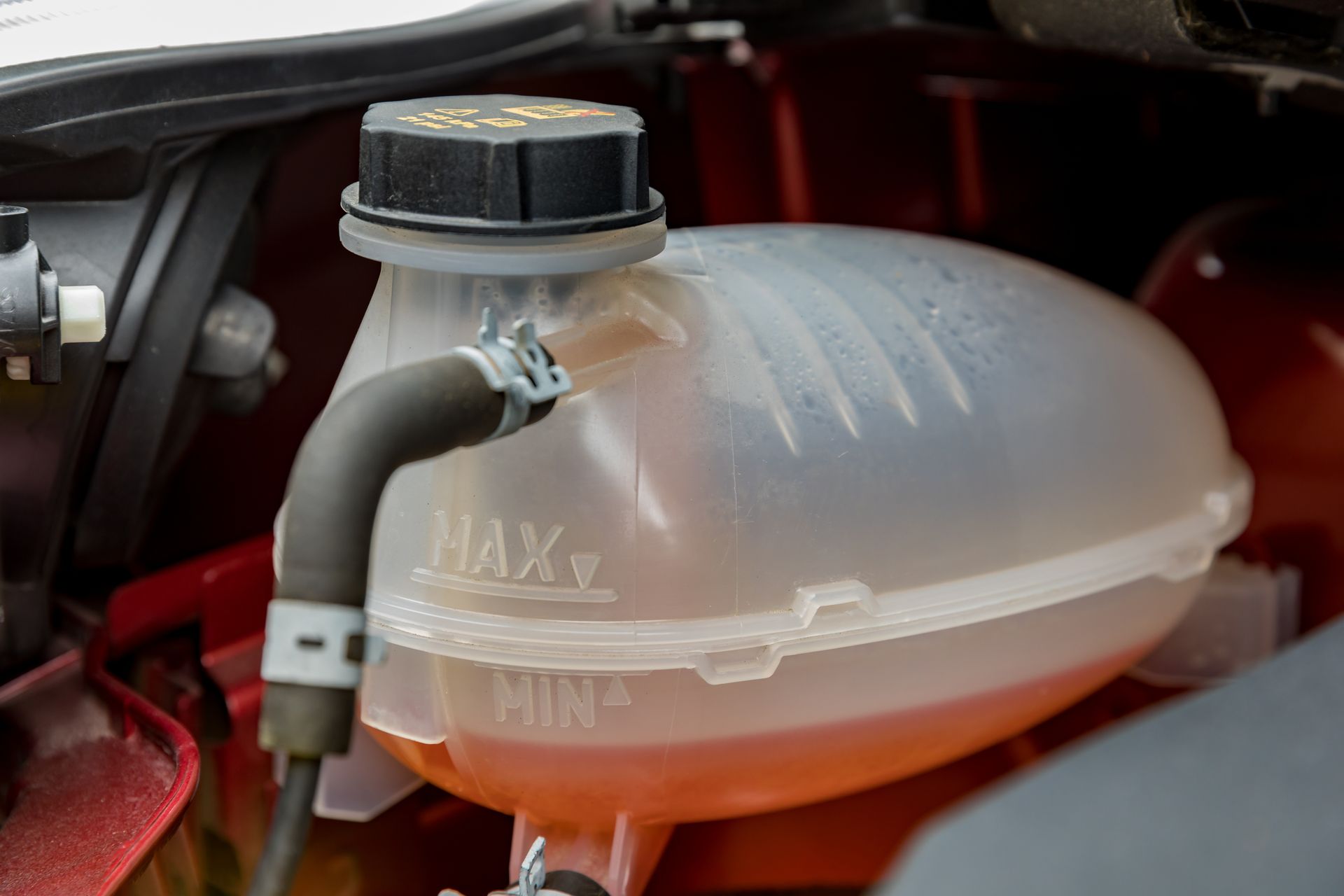
Engine oil, coolant, transmission fluid, brake fluid, and gear lubricant all protect expensive systems. A small leak may begin as damp residue around a seal, hose, gasket, or housing. At that stage, the fluid level may remain high enough that no warning light appears.
As the leak grows, the affected system can lose lubrication, cooling ability, or hydraulic pressure. Oil may reach belts and rubber mounts, while coolant can leave the engine vulnerable to overheating. Finding fresh residue early gives the shop a chance to locate the source before low fluid damages surrounding components.
Tire Wear Can Reveal Hidden Problems
Tires provide useful clues about alignment, pressure, suspension condition, and driving habits. Wear along one edge may indicate incorrect wheel angles, while cupping can point toward weak shocks, loose suspension parts, or a balance concern. A damaged sidewall or embedded object may also be found before it causes sudden air loss.
Correcting the cause early can help preserve the remaining tread. Installing new tires without addressing a worn joint or alignment problem may allow the same pattern to return. Tire pressure should also be adjusted to the vehicle specification because incorrect pressure affects braking, steering response, heat buildup, and tire life.
Brake And Suspension Wear Often Develops Gradually
Brake pads may become thin without producing grinding. A caliper can begin sticking at one wheel, causing uneven wear and excess heat. Rotors may develop surface damage that leads to vibration only during certain stops.
Suspension parts can also loosen slowly. Drivers often adapt by making more steering corrections or slowing down more for curves. A technician can check pad thickness, rotor condition, caliper movement, ball joints, tie rods, bushings, shocks, struts, and wheel bearings before the vehicle becomes difficult to control.
Battery And Starting Problems Can Be Caught Before A Breakdown
A battery can continue starting the engine while losing reserve capacity. The first clear failure may happen on a cold morning, after the vehicle has been parked for several days, or when electrical demand is high.
Testing can show whether the battery is weakening and whether the alternator is charging correctly. The technician may also find corrosion, loose terminals, damaged cables, or a weak ground connection. Repairing an electrical connection may prevent repeated starting trouble without replacing parts that are still working.
Belts And Hoses Give Warning Signs Before Failure
Drive belts operate components such as the alternator, water pump, and A/C compressor, depending on the engine. Cracking, frayed edges, glazing, contamination, or tensioner noise can show that the belt system is approaching the end of its useful life.
Cooling hoses may become swollen, soft, brittle, or cracked near the connections. Dried coolant residue can reveal a slow leak that has not yet reached the ground. Replacing a weakened belt or hose during planned service is usually far less disruptive than dealing with overheating or a charging failure on the road.
What Mechanics Commonly Check
The exact vehicle check depends on mileage, age, service history, and current symptoms. Common areas include:
- Engine oil and visible leaks
- Coolant level and cooling system residue
- Transmission and drivetrain fluid leaks
- Brake pads, rotors, hoses, and fluid
- Tire pressure, tread, and sidewall condition
- Battery, terminals, and charging output
- Belts, hoses, and filters
- Steering and suspension components
- Exterior lights and wiper operation
- Dashboard warning indicators
Not every finding means an immediate repair is needed. Measurements, test results, and the severity of wear help determine whether a concern should be corrected now, monitored, or scheduled for a future visit.
A Clear Repair Plan Helps You Avoid Emergencies
One of the biggest benefits of regular maintenance is having time to plan. A technician may find a weakening battery, brake pads with several months of life remaining, or a minor leak that should be monitored. Knowing about these items allows you to schedule the work before the vehicle becomes unreliable.
The shop should separate safety concerns from preventive recommendations and future needs. Clear priorities make it easier to budget for service and reduce the chance that several neglected problems become urgent at the same time.
Get Routine Vehicle Checks In Hastings, NE, With Pat's Auto Repair & Towing
Pat's Auto Repair & Towing in Hastings, NE, can evaluate your vehicle’s fluids, tires, brakes, battery, belts, hoses, steering, suspension, and visible signs of wear.
Contact us to schedule a routine vehicle check and address developing problems before they turn into surprise repairs.