Some car problems are safe enough to handle later. Others are not worth trying to nurse down the road. When the vehicle is overheating, losing oil pressure, leaking fuel, struggling to stop, or making severe mechanical noise, a few more miles can turn a repairable issue into major damage.
The hard part is knowing when to stop. Drivers often hope they can make it home, reach work, or get to the nearest shop. That choice can be expensive, and in some cases, unsafe. These breakdowns are serious enough that pulling over and calling a tow truck is usually the smarter move.
1. The Engine Is Overheating Badly
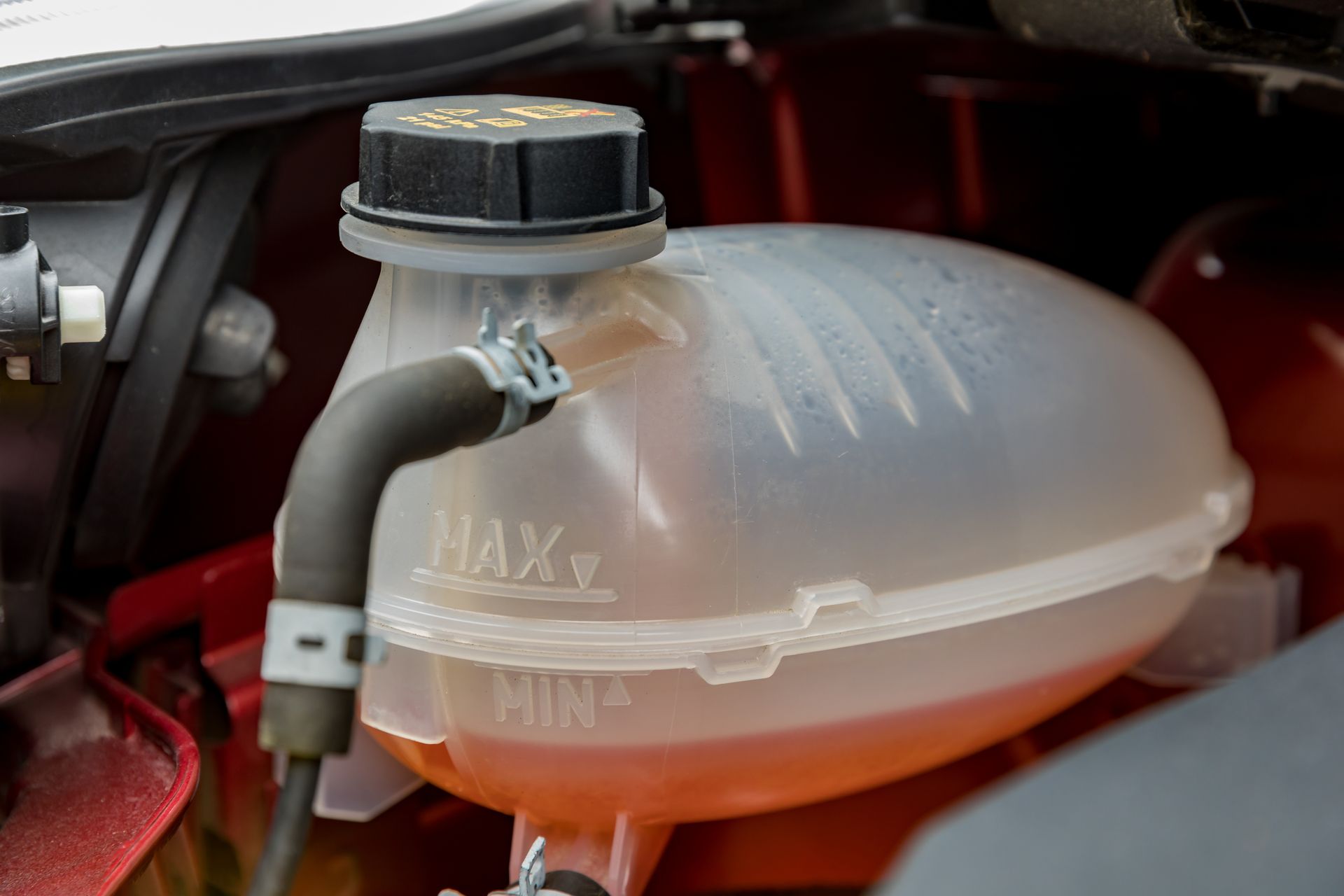
A rising temperature gauge should not be ignored, especially if it climbs into the red or a warning light comes on. Steam from under the hood, a sweet coolant smell, or coolant pouring onto the ground means the cooling system may have lost its ability to control heat.
Driving an overheated engine can damage head gaskets, seals, hoses, sensors, and internal engine parts. Even a short distance can make the repair larger if the engine gets too hot. Turning the heater on and hoping the temperature drops is not a real fix.
If the gauge stays high or steam appears, pull over safely and shut the engine off. Do not open the radiator cap while the engine is hot. Hot coolant can spray out under pressure, causing serious burns.
2. The Oil Pressure Warning Light Comes On
The oil pressure warning light is one of the most serious dashboard warnings. It does not mean the vehicle is due for an oil change. It can mean the engine is not getting enough oil pressure to protect moving parts.
Low oil pressure can come from low oil level, oil pump failure, severe leaks, internal wear, or other engine problems. If you keep driving, bearings, camshafts, timing components, and other internal parts can be damaged quickly.
If the oil pressure light comes on while the engine is running, stop as soon as it is safe. Continuing to drive can turn a minor problem into engine-replacement territory.
3. The Brakes Feel Unsafe
Brake problems should never be treated casually. If the brake pedal sinks toward the floor, feels very soft, pulses violently, or the vehicle takes much longer to stop, driving farther can be dangerous.
A brake fluid leak, failing master cylinder, damaged brake hose, seized caliper, or severely worn brake parts can all change stopping ability. Grinding, pulling, burning smells, or smoke near a wheel can also point to a serious brake concern.
If the vehicle does not stop normally, do not try to make it across town. Pull over in a safe place and call for help. A tow is much cheaper than losing braking control in traffic.
4. The Engine Is Knocking Or Making Heavy Metal Noise
Some engine noises are minor. A heavy knock, loud ticking that suddenly appears, grinding, or clattering from the engine is different. These sounds can point toward low oil, internal wear, timing problems, overheating damage, or a failing component.
The louder and deeper the noise, the more careful you should be. A knocking engine may still run, but that does not mean it should be driven. Every revolution can add damage if internal parts are already contacting each other incorrectly.
If the noise appears suddenly, worsens with engine speed, or is accompanied by warning lights, shut the engine off once you are safely stopped. Continuing to drive can make diagnosis and repair much more expensive.
5. The Transmission Slips Or The Vehicle Will Not Move Normally
Transmission trouble can go from inconvenient to severe very quickly. If the engine revs but the vehicle barely moves, the transmission slips badly, or the vehicle bangs into gear, driving farther may cause more internal damage.
Low fluid, overheating, internal wear, torque converter problems, clutch issues, or electronic control problems can all affect how the vehicle moves. A leaking transmission can also lose fluid fast enough to damage the unit before you reach your destination.
If the vehicle will not move normally, struggles to engage drive or reverse, or feels like it is slipping badly, it should be towed. Forcing it to keep going can turn a repair into a rebuild.
6. Steering Or Suspension Feels Broken
If the steering suddenly becomes loose, hard to control, crooked, or noisy, the vehicle may not be safe to drive. A broken tie rod, ball joint, control arm, wheel bearing, or steering component can affect control without much warning.
Suspension failures can also cause a wheel to sit at an odd angle, produce loud clunks, or cause the vehicle to pull sharply. If a tire is rubbing, the wheel looks tilted, or the car feels unstable, do not keep driving to see if it improves.
Steering and suspension parts hold the wheels where they belong. When something in that system fails, the vehicle may not respond correctly when turning, braking, or avoiding traffic.
7. You Smell Fuel Or See Smoke
A fuel smell is a serious warning, especially if it is strong, sudden, or paired with visible leaking. Fuel leaks can come from lines, injectors, tanks, seals, or fittings. Driving with fuel leaking near hot exhaust or electrical parts is not worth the risk.
Smoke is another reason to stop. Blue smoke, white steam, black smoke, or smoke from under the hood can point toward oil leaks, coolant leaks, electrical problems, overheating, or engine trouble. A burning smell can also come from brakes, belts, wiring, or fluid dripping onto hot surfaces.
If you smell fuel or see smoke, pull over safely, shut the vehicle off, and move away if there is any concern about fire. A proper inspection can find the cause before the vehicle is driven again.
Get Towing And Breakdown Help In Hastings, NE, With Pat's Auto Repair & Towing
If your vehicle overheats, loses oil pressure, has brake trouble, makes severe engine noise, slips badly, feels unsafe to steer, or smells like fuel,
Pat's Auto Repair & Towing in Hastings, NE, can help get it off the road safely and into the shop.
For towing and repair help after a serious breakdown, contact us to schedule service.