The starter has sounded a little slow for weeks. The wipers leave a streak, but you know where to look around it. Mild weather makes those problems easy to put off. Snow and freezing temperatures make them much harder to work around.
Before the first snowfall, address what the car is already telling you. These 7 checks are a good starting point for the next service visit.
1. Slow Starting and Weak Battery Performance
Cold reduces the starting power available from the battery while the engine takes more effort to turn. Get a slow start checked during mild weather, before a freezing morning turns it into a no-start. A recent jump-start is worth mentioning too.
Why replace the battery without checking its connections? We test the battery after checking its charge, then inspect the cables and grounds. Corrosion or a poor connection sometimes causes the same slow cranking. A car that goes flat after sitting also needs checks for unwanted power use while it's parked.
2. Worn Tires and Slow Air Leaks
Check tire pressures with the tires cold, using the settings on the label in the driver's door opening. Remove each valve cap, press a gauge onto the valve, and add air in small amounts until the reading is right. Check again before putting the cap back.
While you're there, look for cuts, bulges, or uneven tread. We inspect the inside edges too, since they're harder to see at home. A tire that needs air every week needs a leak check. AWD helps a vehicle get moving, but it won't make worn tires grip better during a stop.
3. Wipers and Washers That Leave the Glass Streaky
Can the wipers clear the whole windshield without leaving a smear in front of your eyes? Replace the blades if the rubber is split or hardened. Check the rear wiper too if your car has one. Reflected road spray and headlights make an old streak much more distracting after dark.
Use washer fluid rated for the temperatures you expect and follow the mixing directions. Keep coolant and household cleaners out of the washer bottle. Leave the pump alone if the fluid freezes, and let everything thaw. Repeated attempts risk damaging the motor or blowing a fuse.
4. Weak Heat or Poor Windshield Defrosting
If the blower sounds busy but little air reaches the glass, we check for a loaded cabin filter, a blocked outside intake, or a problem with the blower or air doors. Weak heat needs a different set of checks, including coolant level and heater operation.
Does the windshield keep fogging after the car warms up? Wet mats, damp carpet, or a water leak add moisture faster than the vents can clear it. A sweet smell with coolant loss also needs checking. Wait until the glass is clear before setting off.
5. Brakes That Pull, Drag, or Grind
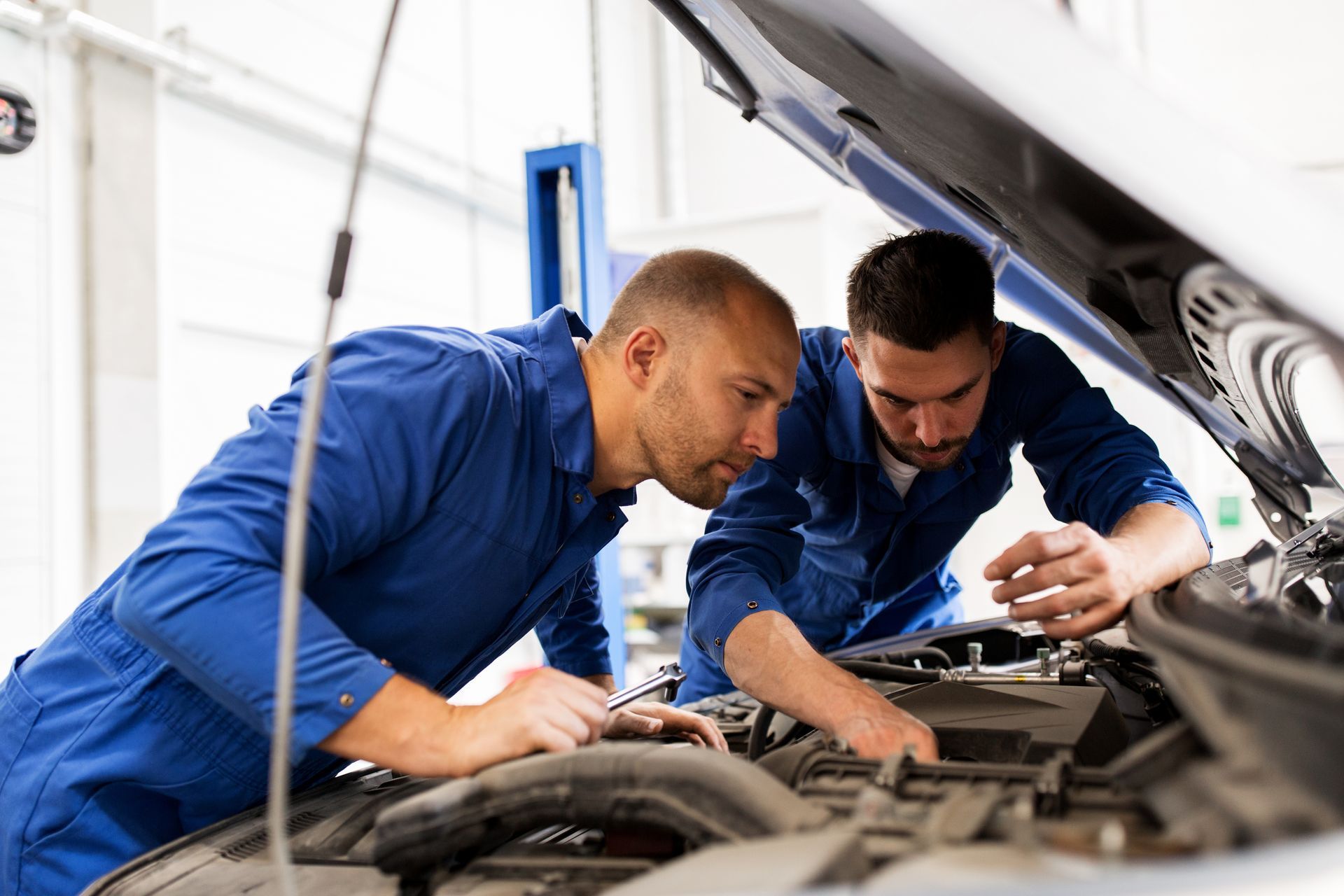
A brake problem that feels manageable on dry pavement becomes harder to handle on snow. Pulling, grinding, or a wheel that smells hot means you should have your brakes checked before winter. We inspect both pads at each wheel, measure the rotors, and check that the brakes release properly.
Heavy grinding, a soft pedal, or noticeably reduced braking needs help straight away. Stop safely and arrange transport. Those symptoms shouldn't wait for a routine seasonal appointment, even if the car still moves under its own power.
6. Coolant Loss or Uncertain Freeze Protection
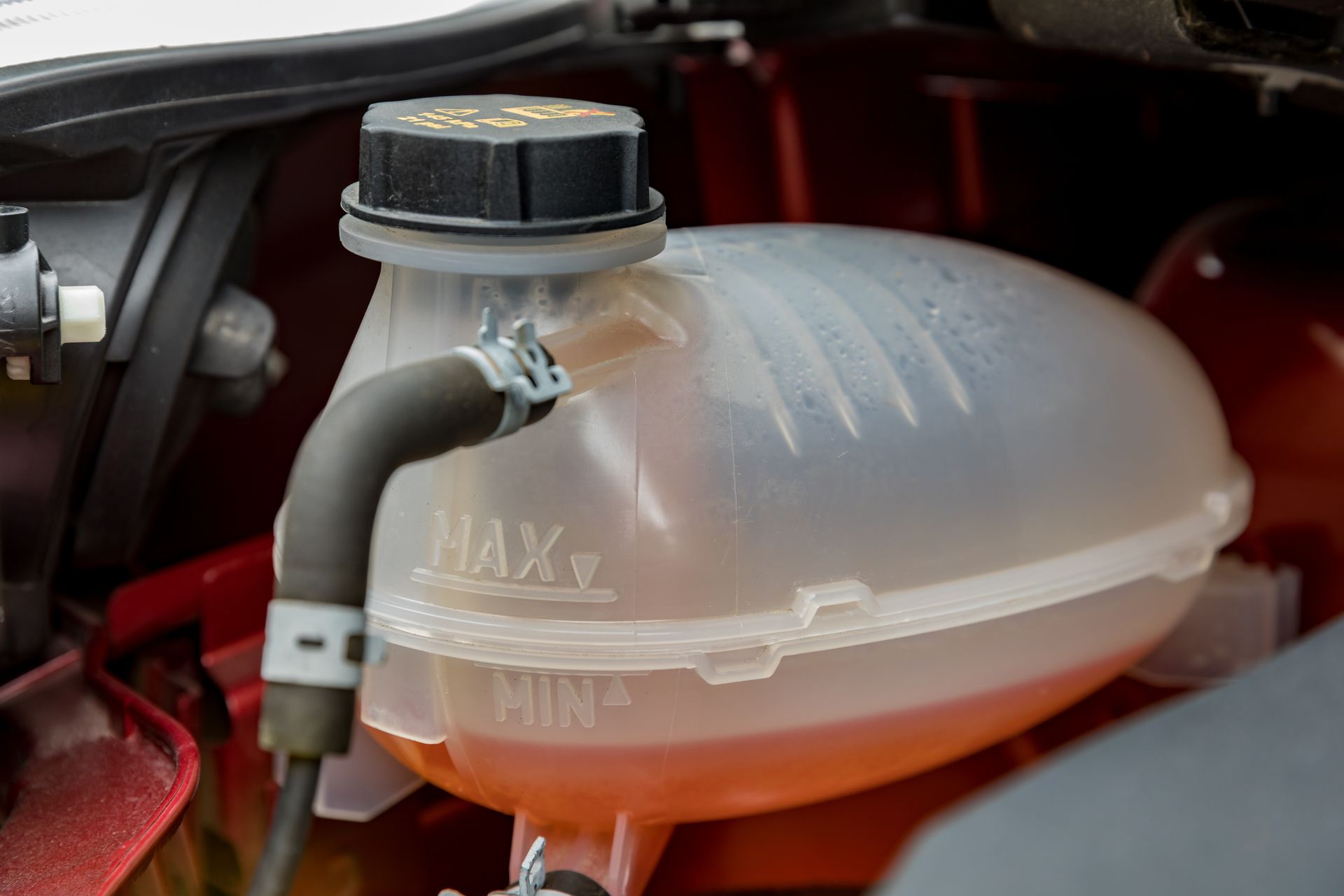
With the engine cold, compare the reservoir level with its markings and the manual's instructions. Never open a hot pressure cap. If the level keeps dropping, note how much you've added and how often so we can trace the loss.
A full reservoir doesn't tell us how well the coolant protects against freezing. We check the mixture with the correct equipment and review its replacement history. Hoses, radiator seams, and pump seals also get a closer look when there's a leak or dried coolant residue.
7. Loose Steering or Worn Suspension Parts
Constant steering corrections or a new clunk over bumps shouldn't become part of the normal drive. A worn tie rod, torn control arm bushing, or weak strut changes how the wheel responds on rough or slippery roads. Describe where the noise happens and what the car feels like at the time. We check the joints and mountings, then repair loose parts before setting the alignment. That way, the wheels stay where the alignment equipment says they are.
Winter Vehicle Repair at Pat's Auto Repair & Towing in Hastings, NE
Pat's Auto Repair & Towing
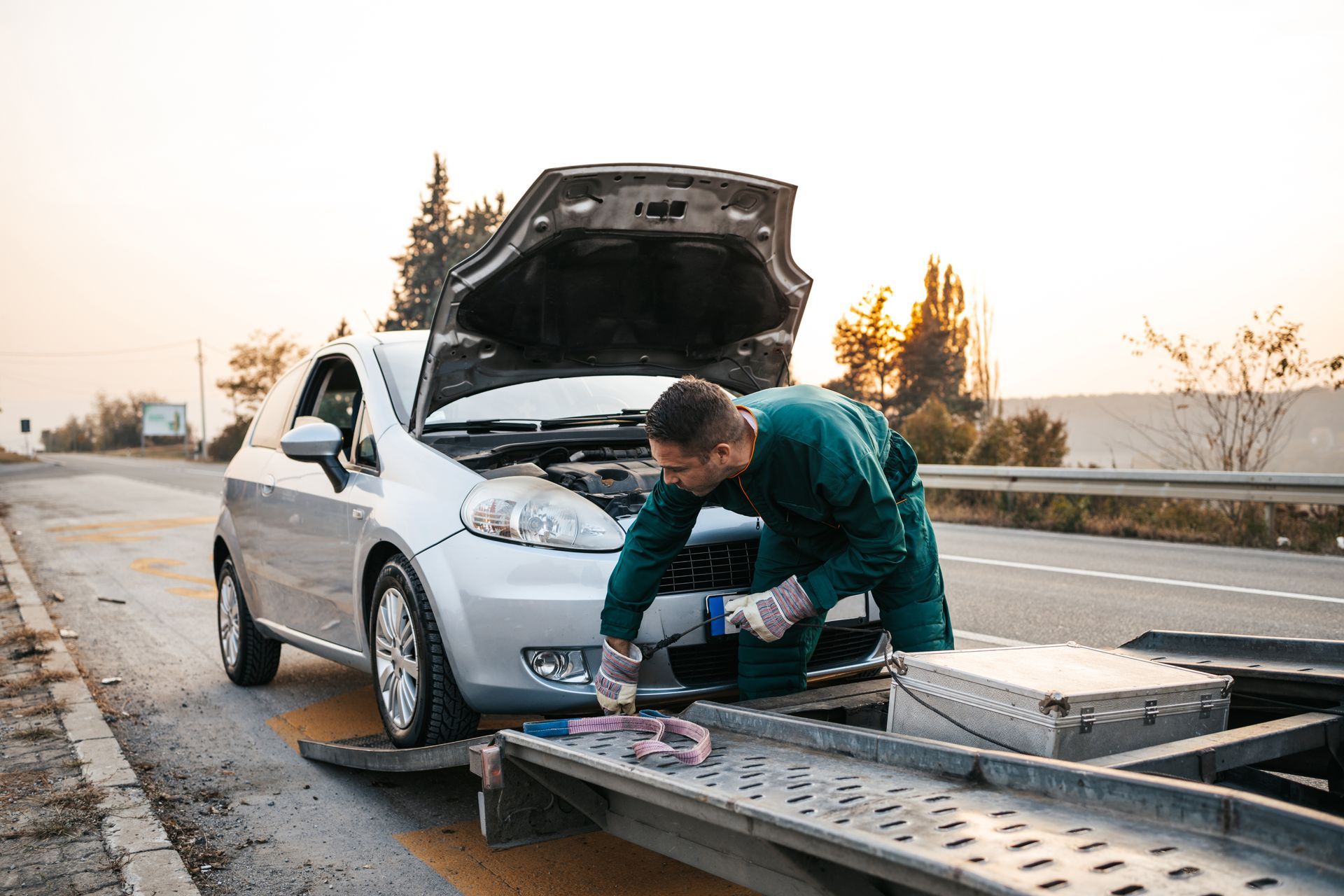
in Hastings, NE, can check winter readiness and tow your car when it isn't safe to drive.
Set up a pre-winter inspection and get those lingering problems sorted before the snow arrives.